
At the IperionX Titanium Manufacturing Campus in Virginia, we produce high-quality and low-cost angular and spherical titanium powders and can utilize these powders to produce a wide range of higher value titanium products through a variety of advanced manufacturing techniques.
IperionX is a leading American titanium metal technology and critical materials company
award-winning technology
Our award-winning technology portfolio enables high-strength titanium metal products to be produced at low cost, with class-leading sustainability and superior process energy efficiencies compared to current industry methods.
IperionX is actively re-shoring a fully integrated titanium supply chain to the U.S. Our innovative, ‘end-to-end’ American titanium supply chain solution produces low-cost titanium products from a range of feedstocks, including domestically sourced titanium minerals and a wide range of scrap titanium.
IperionX’s 100% owned and fully permitted Atlas-Titan platform, located in West Tennessee, is the largest JORC-compliant mineral resource of titanium, rare earth and zircon mineral sands in the U.S. Development of the Atlas-Titan platform is a key contributor to the future re-shoring of titanium and critical material supply chains in North America.
Metal Operations
IperionX’s world-leading portfolio of patented titanium technologies has been developed, enhanced, and optimized over a decade of research and development, with the technology portfolio consisting of over 40 patents.
Our technologies
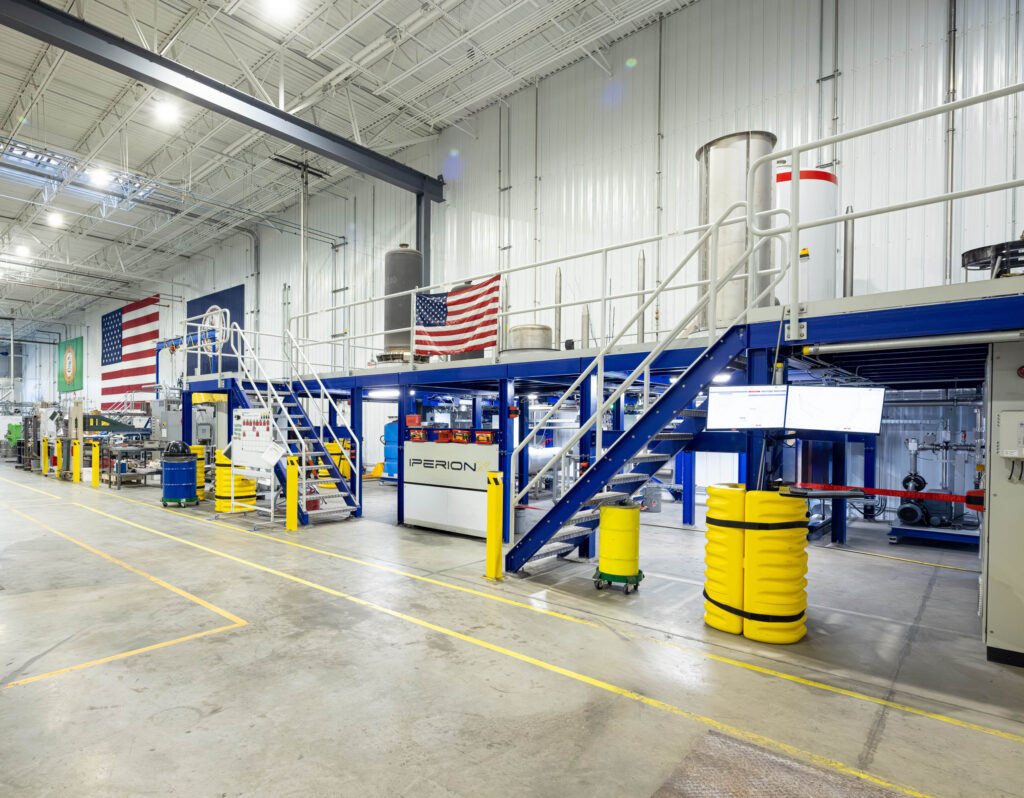
The Hydrogen Assisted Metallothermic Reduction (HAMR™) titanium production process is a proprietary breakthrough technology that enables the production of titanium alloy powders from titanium minerals or scrap titanium feedstock at low energy intensity, enabling low‑cost and efficient titanium production.
Originally developed at the University of Utah with funding from the U.S. Department of Energy’s ARPA-E program, HAMR™ provides a direct pathway from titanium oxide or scrap to low-oxygen titanium powder. If the feedstock is titanium oxide, the material can be directly reduced using HAMR™ to pure titanium metal, or it can be co-reduced (e.g. with aluminum, vanadium oxide, etc.) to directly produce standard titanium alloys. In cases where the feedstock is high-oxygen titanium alloy scrap, the hydrogen used in the HAMR™ process destabilizes the titanium-oxygen system to enable the removal of oxygen from the alloy to very low levels – without changing the alloy composition or causing other contamination to the product. The resulting titanium hydride can then by dehydrided to deliver high-quality titanium powder with controlled chemistry and particle characteristics, or the hydride alloy powder may be consolidated using a range of modalities into near-net-shape titanium alloy products and mill product pre-forms (e.g. plate, bar, etc.) using our HSPT™ and THRM™ technologies. This process can also be applied to other metals and alloys beyond titanium.
HAMR™ can accept a broad range of feedstocks, including titanium minerals, manufacturing scrap and high-oxygen scrap that we believe is difficult to recycle through conventional routes. The ability to use 100% titanium scrap as feedstock, which is generally not possible with the industry standard Kroll manufacturing process, allows for a novel, circular, and efficient titanium manufacturing process. Low temperature processing results in much lower energy use than the Kroll process. By eliminating the need for toxic chlorination processes and removing vacuum distillation and multiple melting steps, we can greatly reduce the electrical requirements and associated indirect carbon emissions of the patented technologies. Our 100% recycled titanium metal powder was the first commercial titanium metal powder to achieve the UL 2702 platinum certification for 100% recycled content.
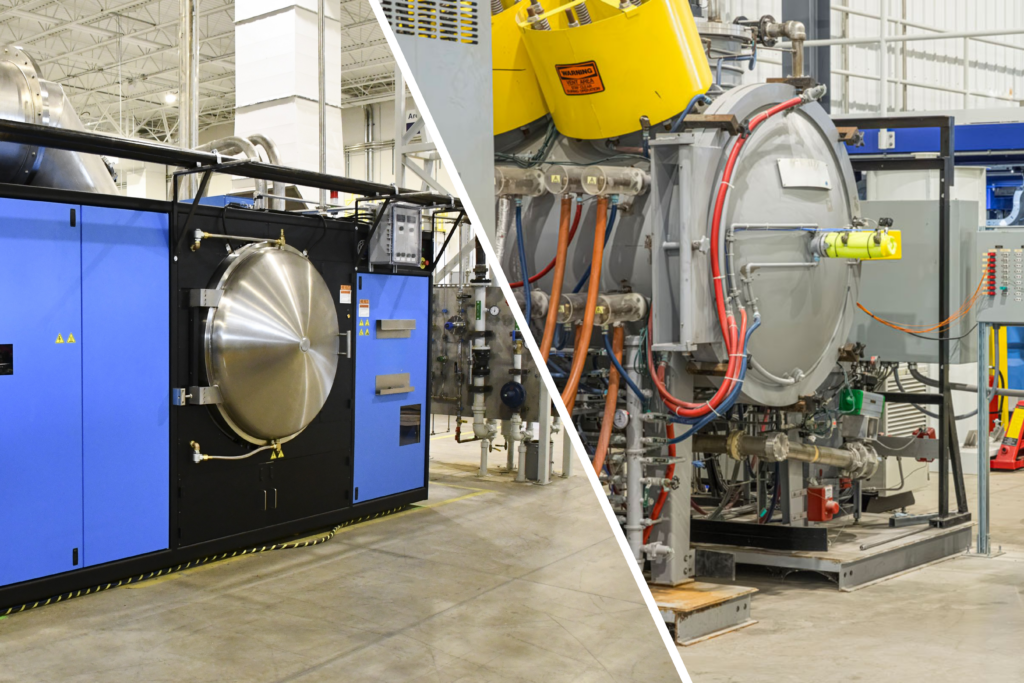
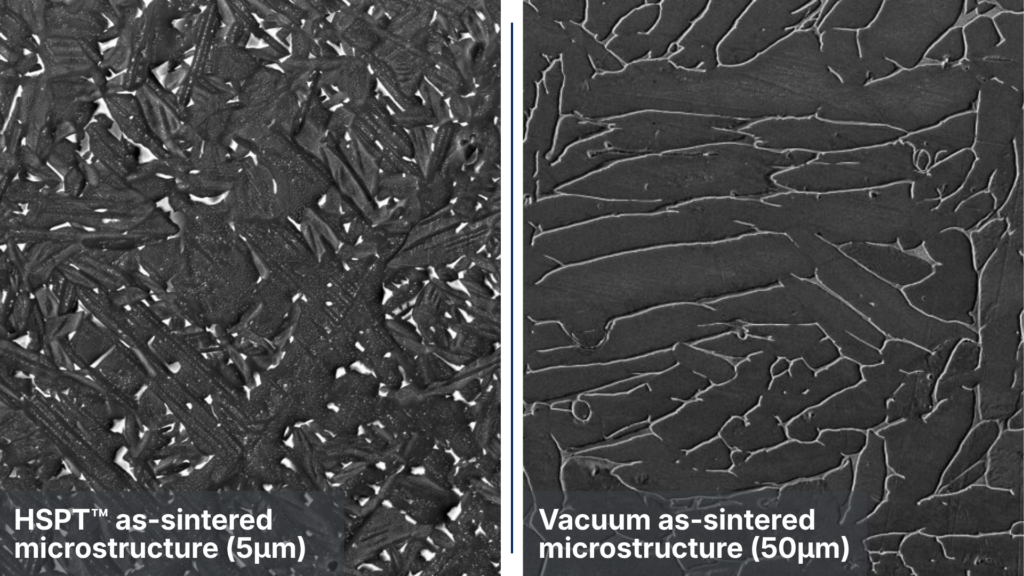
The Hydrogen Sintering and Phase Transformation (HSPT™) process enables the low-cost production of net and/or near-net-shape titanium parts using powder metallurgy and sinter-based additive manufactured titanium parts using powder metallurgy, producing components with similar properties to traditional forged or wrought parts.
Traditional wrought manufacturing requires multiple energy intensive and expensive forging and machining steps in order to produce mill products such as bar, plate, or sheet. Machining these mill products into finished components can also generate significant volumes of scrap material, not all of which is recyclable by incumbent industry processes. While powder metallurgy reduces waste, titanium parts manufactured in incumbent industry via this method historically have poor mechanical properties and often require costly post-sintering processing.
In contrast, HSPT™ enables the use of powder metallurgical processes to obtain wrought-like and ultra-fine-grain microstructures in near-net-shape titanium components without thermomechanical processing. These components can be produced at a lower cost while reducing scrap generation by up to 95%.
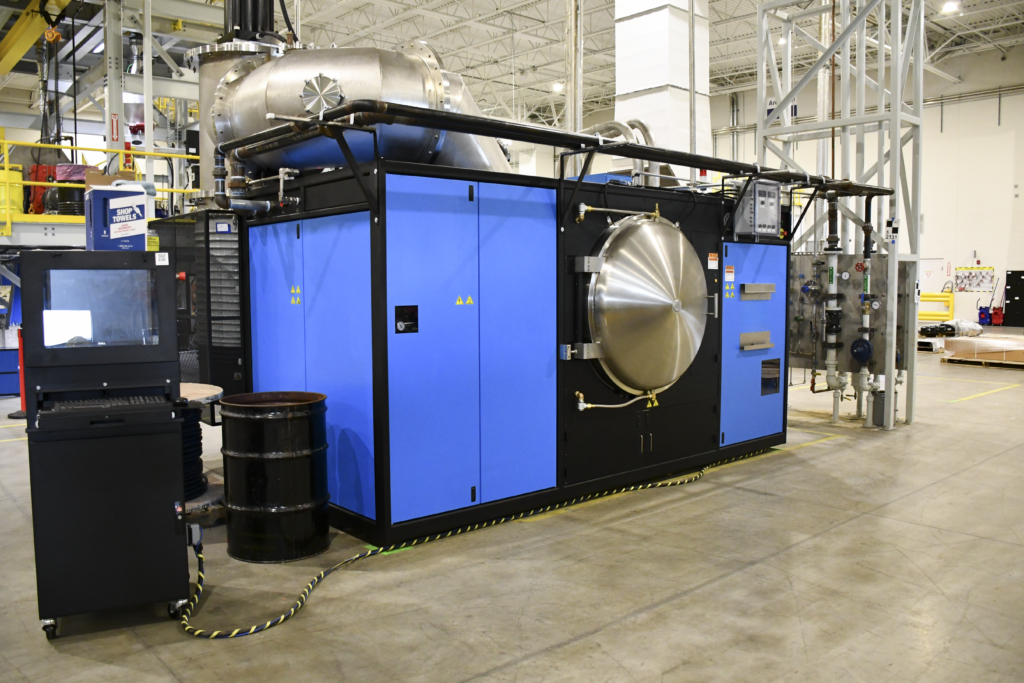
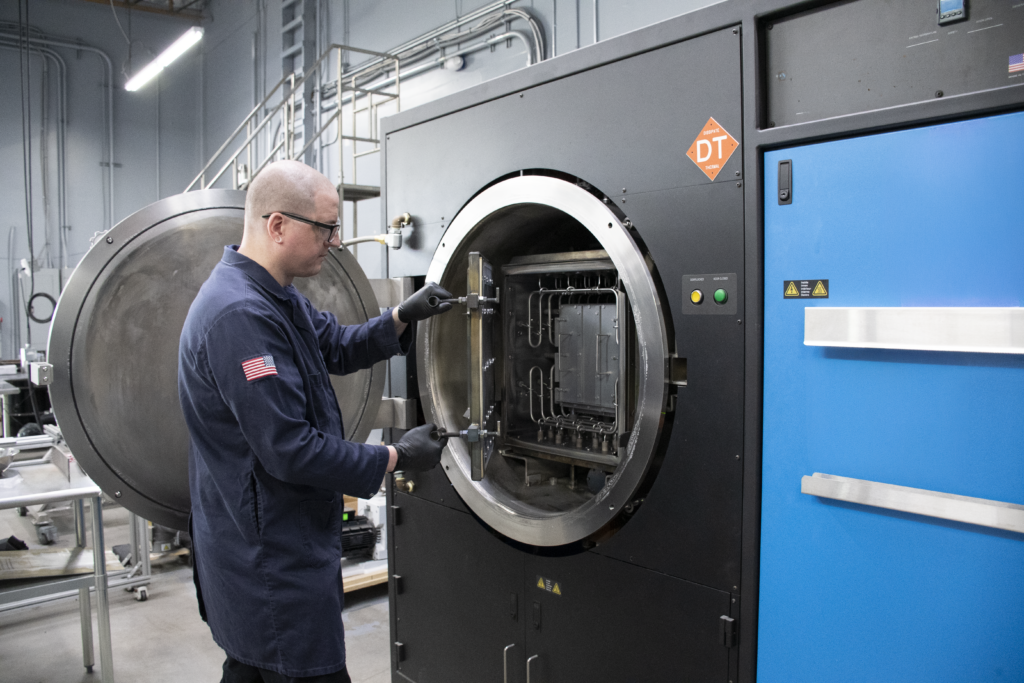
IperionX’s patented Thermo-Hydrogen Refinement of Microstructure (THRM™) is a low-cost and energy efficient heat treatment that uses hydrogen-enabled thermodynamics to engineer wrought-like microstructure and mechanical properties.
THRM™ can be used with a wide range of conventionally manufactured titanium components such as casings, machined parts, forged components, or additively manufactured parts. Alongside the HSPT™ process, THRM™ reduces processing complexity and limits reliance on conventional high-cost forging and extensive thermomechanical work, enabling a faster and lower-cost route to advanced titanium components.
Quality Policy
Virginia Titanium
Manufacturing Campus
IperionX is committed to fulfilling our stakeholders’ and other applicable requirements by delivering excellent service, exceeding customer expectations, and leveraging our innovative technologies. This is achieved through continually improving our services and internal processes, and by fulfilling our Quality Objectives as defined in our Quality System.
Mineral Development
SECURING TITANIUM MINERAL FEEDSTOCKS AND MINERAL-TO-METAL INTEGRATION
The U.S. titanium supply chain is fragmented, high risk, and vulnerable to supply chain disruptions. From the extraction of minerals to the production of finished products, the titanium supply chain is concentrated in countries including China, Russia, and Japan, leaving it vulnerable to geopolitical shocks. As a result, the U.S. is heavily reliant on these foreign sources of titanium. As demand grows and new applications emerge, the U.S. must become independent of imports by re-shoring a domestic titanium supply chain.
To underpin long-term growth and security of domestic supply, IperionX is advancing our Atlas-Titan platform in Tennessee – the largest JORC-compliant mineral resource of titanium, rare earth and zircon mineral sands in the U.S. Our proprietary Green Rutile™ and ARH™ process technologies can upgrade titanium minerals to +99% TiO₂ feedstock for our HAMR™ process, creating a fully-integrated, American mineral-to-metal supply chain.
ATLAS-TITAN PLATFORM
The fully permitted, integrated Atlas-Titan critical minerals platform in Tennessee is the largest JORC-compliant titanium mineral resources in North America, as well as a leading U.S. resource of rare earth and zircon mineral sands. The Atlas-Titan platform, combined with our patented titanium mineral upgrading technologies, has the potential to deliver an innovative end-to-end solution for a U.S. titanium supply chain, providing significant strategic value for defense and additive manufacturing. IperionX is committed to resource efficiency, sustainable land management, and biodiversity at its Atlas-Titan platform in Tennessee. The Atlas-Titan platform aims to serve as a global model of sustainability and land stewardship throughout its lifecycle.
Sustainability Report
IperionX was founded with a mission to make titanium both affordable and sustainable. In our annual Sustainability Report, we reflect on our progress toward that vision, as we continue to revolutionize how titanium is produced, sourced, and used. This report shares a high-level overview of our sustainability journey, including our commitments to and management of materials, environmental, social, and governance matters.

Sustainability Report 2025
Our fourth annual Sustainability Report shares another year of significant development as we achieve our vision to make titanium both affordable and sustainable. This report highlights our sustainability activities over the 2025 fiscal year (July 1, 2024 through June 30, 2025).